

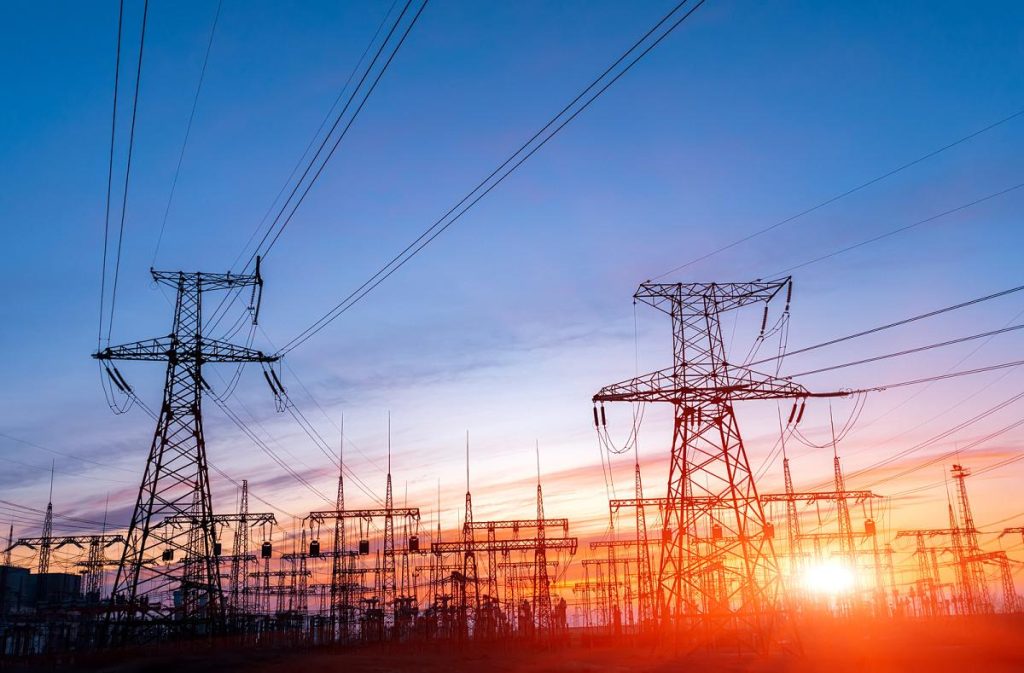

At the recent Supergen Energy Networks Hub conference, energy experts highlighted an urgent need: the UK must speed up the connection of renewable generation to the grid in order to meet Net Zero commitments, drive green economic growth, and support the rising power demand from data centres and AI infrastructure.
In this large-scale grid upgrade and distributed energy revolution, a frequently overlooked yet vital component is the safe connection and distribution of electricity at the terminal level. Regardless of the scale of grid modernisation projects, they ultimately rely on secure, compliant, and reliable equipment for connection and protection.
We believe that building the grid of the future starts with every single connection point. This is why we specialise in the critical electrical distribution and protection products that ensure green energy can be connected safely and flow efficiently into homes and businesses across the UK.
Context: Analysis of the Current Situation and Challenges
1. Rapid Growth in Renewable Energy
- – By the end of 2024, the UK’s installed solar (PV) capacity had reached approximately 17.85 GW, accounting for a significant share of the national electricity mix.
- – A considerable proportion of this comes from rooftop and distributed solar installations. Industry statistics show that there were around 1,468,652 solar installations in the UK as of February 2024, the majority of which are domestic or small-scale systems.
- – Renewable capacity continues to grow: in Q1 2025, new renewable installations increased by 3.7 GW compared to the same period the previous year—a rise of approximately 6.4%.
2. Changing Electricity Demand Patterns
The UK’s electricity demand is being reshaped by the widespread adoption of new high-load devices, placing considerable strain on traditional power distribution models.
- Rapid Expansion of Electric Vehicle (EV) Charging Infrastructure
– Over the past year, the number of publicly accessible EV charge points in the UK grew by 27%, with around 17,370 new units installed.
– By 2025, more than 1,600,000 pure electric vehicles were on UK roads, accounting for approximately 4.78% of all cars.
– The total number of public charging points has now exceeded 82,000. - Data Centre and AI Load
– Recent government reports highlight that electricity demand from data centres is expected to continue rising due to digitalisation, cloud computing, and AI services.
– For instance, a proposed Google data centre in Essex is projected to emit over 570,000 tonnes of CO₂ annually—reflecting its substantial energy requirements. - Heat Pumps, Electric Heating, and Building Electrification
– Although nationwide heat pump installation figures are not always prominently reported, numerous regions across the UK are promoting energy efficiency upgrades and electrified heating systems. Policy direction suggests such loads will become increasingly common.
-Analysis of household energy use indicates that over 20% of homes in certain categories now have both solar panels and an EV, implying greater volatility and sharper peaks in electricity demand.
3. Safety and Compliance Risks
In an electrical environment characterised by greater load diversity, higher power levels, and more complex power flows, continued use of outdated or non-compliant distribution equipment poses serious hazards.
- Fire and Overheating Risks
– Older plastic consumer units, loose connections, overloaded circuits, and a lack of effective earth leakage protection are common causes of electrical fires in residential and commercial settings.
– Electrical faults remain a leading cause of domestic fires in the UK, particularly in older properties undergoing renovation or expansion—a risk frequently highlighted in industry reports. - Compliance and Evolving Standards
– Electrical installations in the UK must comply with BS 7671 Wiring Regulations (IET Wiring Regulations), which are regularly updated to incorporate new technologies such as renewable energy integration, mixed loads, and bidirectional power flow. Older equipment that does not meet current standards may fail inspection or certification.
– Recent engineering inspections and insurance assessments frequently identify non-compliant installations—particularly those lacking appropriate earth leakage protection, isolation, zoning, or overload protection—requiring remedial work or replacement.
4. Emerging Market Requirements
The above trends underline a clear and growing demand for advanced electrical distribution and protection products. Key requirements include:
Durability and Robustness
Equipment installed outdoors, in garages, or in damp or dusty environments must offer dust, water, and corrosion resistance (e.g., IP65 rated consumer units).
Enhanced Protective Capabilities
Systems should provide comprehensive overload, short-circuit, and earth leakage protection—including RCBOs suitable for bidirectional currents—as well as reliable isolation and switching.
Modularity, Scalability, and Ease of Maintenance
As energy generation and consumption evolve, electrical systems must allow for future expansion, module replacement, and branch circuit additions.
Smart Monitoring and Rapid Response
Modern grid, microgrid, and renewable energy applications require equipment with fault detection, remote monitoring, and fast switching capabilities to ensure system reliability.
Compliance and Certification
Products must meet UK and European standards (e.g., BS, IEC) and safety regulations to gain acceptance among contractors, approving bodies, and end users.
MK Circuit Protection products – role in supporting the transition
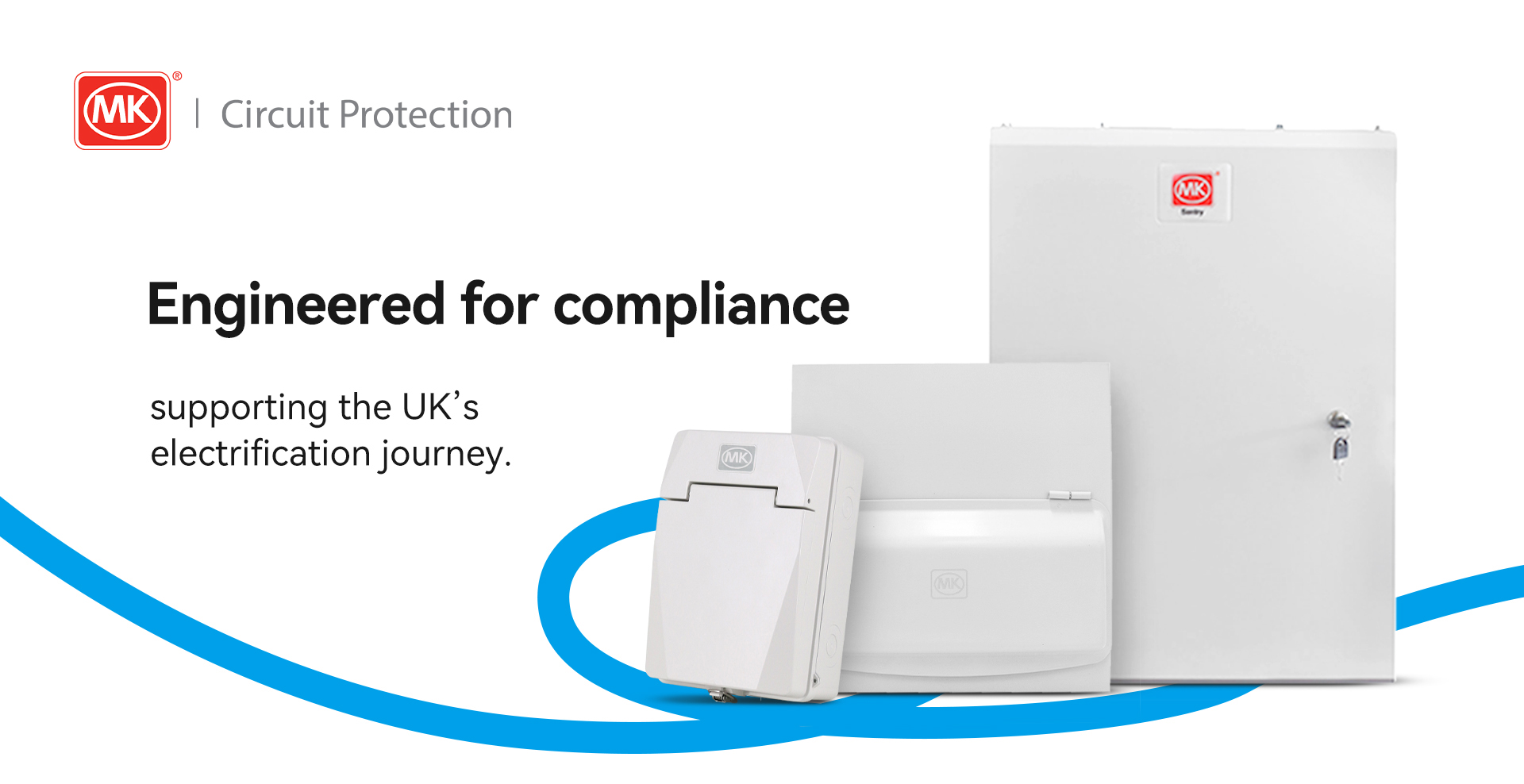
To meet these challenges, we provide a comprehensive range of solutions tailored for the UK market:
- Metal Consumer Units– offering enhanced durability, fire resistance, and compliance with BS standards, making them the preferred choice for residential and commercial settings.
- IP65 Garage Consumer Units– designed for outdoor and semi-exposed installations, ensuring reliable protection against dust, moisture and variable weather conditions.
- Bi-directional RCBOs– offers reliable protection for circuits with two-way power flows, making it ideal for installations with renewables, storage, or EV charging.
Building a resilient future together
As the UK accelerates towards Net Zero, the role of distribution and protection equipment will only grow in importance. From supporting EV charging infrastructure to safeguarding power in data-driven facilities, high-quality consumer units and RCBOs are essential to delivering a safe, flexible and future-proof network.
We are committed to working with contractors, consultants and distributors across the UK to ensure projects have access to reliable, compliant and future-ready electrical solutions.
learn more about our product range and how we can support your upcoming projects.Products | MK Sentry Circuit Protection | Consumer Units | Circuit Breakers | Surge Protection Device
Leave a Reply